
Why Every Dance Studio Needs Abuse and Molestation Coverage Before an Allegation
No dance studio owner wants to imagine an allegation of abuse involving an instructor and a student. Yet allegations do not wait for owners to feel ready. They arrive through a parent’s phone call, a letter from an attorney, or a knock at the door from law enforcement. When that moment comes, one question matters above all others. Will your insurance respond? For many studio owners, the answer is no. Their general liability policy excludes these claims entirely. Understanding this gap before an allegation surfaces is one of the most important risk management decisions a dance school can make.
Understanding Sexual Abuse and Molestation Risks in Dance Studios
Dance instruction involves a combination of factors that few other youth activities share. Students spend years with the same instructor. Training requires physical correction and proximity. Studios operate long hours, often after dark. Private lessons happen behind closed doors. These conditions do not make abuse inevitable. But they create an environment where allegations can arise, whether true or false. Studios must be prepared to respond. The exposure looks nothing like a slip and fall or a sprained ankle. That is exactly why sexual abuse and molestation coverage exists as its own category of protection.
Why Physical Contact in Dance Instruction Creates Unique Exposure
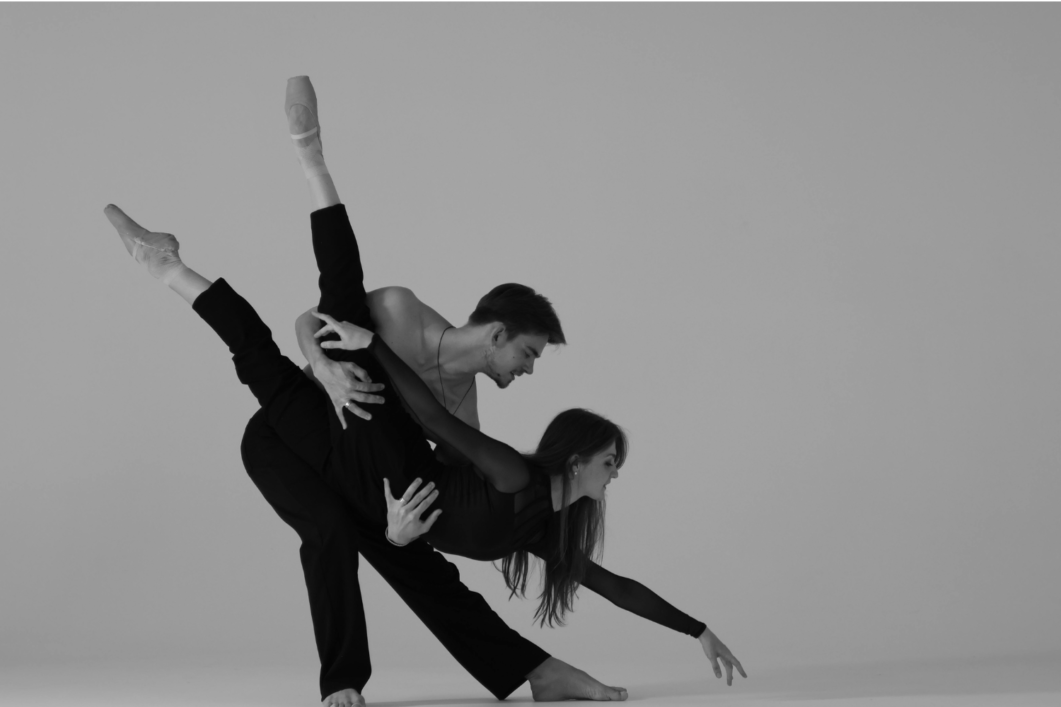
Teaching dance is a physical discipline. Instructors adjust posture, align hips, and demonstrate arm placement. They also support students during lifts and acrobatics. Every correction involves touch that an observer could interpret differently depending on context. Coaches in soccer or swimming maintain distance from athletes. In dance, contact is part of the craft. This reality means dance instructors carry an exposure that other youth professionals do not. It is why abuse and molestation liability exists as a distinct category of protection.
The Authority Dynamic Between Instructors and Young Dancers
A dance instructor holds significant authority over a young student. Instructors decide who advances and who performs in the recital. They award solos and competition spots. Students and parents rarely question an instructor’s judgment. The instructor controls the child’s progress. This authority dynamic is exactly what predators exploit. It is also what makes false allegations so damaging. Either way, the studio sits at the center of the storm. Youth programs carry this weight in a way adult classes never do. A minor cannot legally consent or advocate for themselves. An adult witness can be cross-examined. A child cannot.
Why Standard Dance Studio Insurance Policies Exclude These Claims
Many studio owners assume their dance studio insurance covers everything. It does not. Standard liability policies are built around bodily injury and property damage. They were never designed for allegations of intentional or criminal acts. The exclusions hiding inside these insurance policies surprise owners most often at the moment they need the policy most.
General Liability Insurance vs Abuse and Molestation Liability
General liability insurance responds to accidents. A parent slipping in the lobby falls within its scope. So does a student injured during a jump or property damage at a rented venue. Abuse and molestation claims are different. Insurers treat these allegations as intentional acts. Intentional acts fall outside the definition of an accident. Most general liability policies and professional liability policies contain explicit exclusions for sexual abuse and molestation. The exclusion exists for a reason. These claims carry enormous defense costs and judgment potential that standard liability pricing never anticipated.
What Happens When an Allegation Meets an Excluded Policy
When an allegation arrives and the policy excludes it, the insurance company sends a denial letter and withdraws. The studio owner then pays every cost personally. Attorneys, investigators, court filings, and any settlement all come out of pocket. Defense costs alone routinely reach tens of thousands of dollars. That spending begins immediately, long before anyone determines what actually happened. Studios without molestation coverage have closed permanently after a single allegation. Some of those allegations were later dismissed. The closure was still permanent.
What Abuse and Molestation Coverage for Dance Studios Actually Provides
Abuse and molestation coverage is a specialized endorsement designed for exactly this scenario. It funds the response that an excluded policy refuses to fund.
Legal Defense From the Moment an Allegation Surfaces
This coverage protects from the moment an allegation surfaces. It does not wait for a lawsuit to be filed. It pays defense costs for attorneys, expert witnesses, and investigation expenses. This matters because the defense phase often lasts months or years. Quality legal representation from day one shapes the entire outcome.
Settlement and Judgment Protection for Studio Owners
If a claim results in a settlement or judgment, the coverage responds up to the policy limit. This protection shields the studio’s assets and the owner’s personal savings. In many cases, it also shields the owner’s home. Without it, a single judgment can end a business that took decades to build.
Participant Injury Coverage Is Not the Same as Molestation Coverage
Studio owners sometimes confuse participant accident coverage with abuse and molestation coverage. They are entirely different. Participant injury coverage pays medical bills when a student is hurt during dance classes. It never responds to an allegation of abuse. A studio can carry excellent accident coverage and still have zero protection against this exposure. Reviewing the full scope of dance studio insurance before renewal is the only reliable way to confirm your protections.
How Recitals, Private Lessons, and Closed Doors Raise the Stakes
Three common studio practices elevate risk. Recitals place instructors and students in hotels, dressing rooms, and off-site venues with limited supervision. Private lessons place one adult alone with one child in a closed studio. Extended rehearsals keep students at the facility late into the evening. None of these practices is wrong. But each one creates conditions where an allegation becomes harder to disprove. Studios that recognize this reality build safeguards around these activities. They do not pretend the risk does not exist.
Risk Management Practices That Strengthen Your Dance Studio Insurance
Insurance responds after an allegation. Risk management reduces the chance that one ever happens. The two work together, and many insurers require both. Insurers look for documented supervision practices, staff screening, and written procedures when they evaluate a studio’s eligibility for this coverage. Studios that maintain them pay less for protection that actually responds.
Background Checks, Two Adult Presence, and Written Conduct Policies
Strong studios implement a consistent set of practices. They run background checks on every employee, volunteer, and independent contractor before hire. They require a second adult whenever an instructor works with a minor. They maintain written conduct policies that define appropriate contact and boundaries. They document supervision procedures and train staff on them annually. These practices protect students first. They also demonstrate to insurers and courts that the studio operated responsibly. The same supervision logic applies to parent helpers. A volunteer parent in the studio creates the same one-on-one exposure a hired instructor does. Studios that map these exposures systematically, the way a structured risk assessment walks through every activity and staffing arrangement, consistently find gaps they did not know existed.
Working With Your Insurance Provider to Close Coverage Gaps
Coverage gaps hide in plain sight until someone reads the policy carefully. Studio owners should ask their insurance provider direct questions. Does the policy include abuse and molestation coverage? What limit applies? Do defense costs reduce the limit? Are independent contractor instructors covered, or do they need their own dance instructor insurance? Does the landlord or venue require proof of this coverage as an additional insured? A conversation with a knowledgeable insurance agency can reveal gaps before they surface at the worst possible moment.
Build Protection Before You Need It
Abuse and molestation coverage is not an admission of fear. It is a recognition of reality. Dance studios operate where physical instruction, close relationships, and private settings intersect. A single allegation can threaten everything an owner has built. The studios that survive these events are prepared in advance. They carry the right liability coverage. They document their risk management practices. They understand what their policies do and do not cover. Preparation before an allegation is the only version of this story with a good ending.