
Why Mommy and Me Classes Create Liability Questions Most Dance Studios Never Consider
Mommy and Me classes have become a staple of the modern dance studio. Moms, dads, and even grandparents join their little ones on the floor for a first taste of dance education, and studios love these programs because they fill morning schedules and build loyal families early. But behind the tutus and ballet shoes, these classes quietly change your risk picture. When adults share the dance floor with toddlers, your liability exposure shifts in ways most studio owners never consider until a claim arrives.
Why Mommy and Me Classes Change the Risk Picture at Your Dance Studio
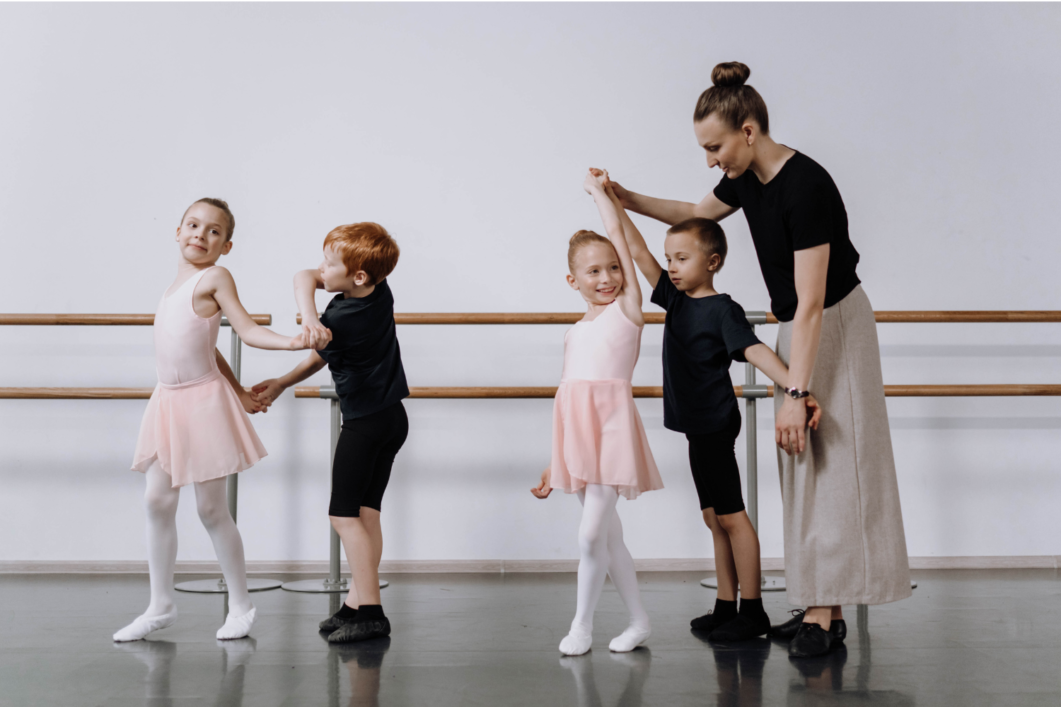
A traditional dance class puts trained dancers under the supervision of a professional instructor. A Mommy and Me class puts untrained adults in motion alongside unpredictable toddlers, and that combination creates exposures a standard studio policy may not anticipate. Parents stretch, squat, and move through choreography designed for children, which opens the door to adult injuries. Meanwhile, little ones run, climb, and explore a space built for dancing, not childcare.
Every dance teacher who has taught a preschool class knows how quickly the room can turn. The question is not whether these classes are valuable; they clearly are. The question is whether your insurance coverage understands what actually happens in the room. Many studios discover too late that parent participation sits in a coverage blind spot, a theme we explored in the insurance blind spot of parent toddler dance classes.
The Liability Questions Every Dance Teacher Should Ask Before Enrolling Parents
Before you enroll the next session, a few pointed questions deserve answers. Asking them now protects both your dancers and your business.
Who Is Responsible When a Parent Gets Hurt on the Dance Floor
Imagine a mom pulls a muscle following a movement in a ballet class, or a dad trips over a toddler and fractures a wrist. The injured parent may see the studio as responsible, arguing the instructor pushed adults through movements beyond their coordination or failed to manage the room. Your dance teacher was trained to teach young dancers, not to lead adult fitness, and that distinction matters in a claim. If an adult gets hurt during your program, your policy must respond to an adult injury, not just an injury to a younger dancer.
Are Caregivers, Nannies, and Grandparents Covered Under Your Policy
Here is the question most studios never ask. Your enrollment forms may say Mommy and Me, but the adult who shows up might be a nanny, a grandmother, or a family friend. Are all of these adults covered when they participate, or does your policy only anticipate the enrolling parent? Some policies define who may participate in class activities, and an aunt who joins the circle could fall outside that definition. Studio owners should review what dance studio insurance does not cover and confirm that any adult caregiver who joins the dance floor counts as a covered participant, not just the parent who signed the tuition check.
When a Dancer Is Too Young to Assume the Risk
Adults can sign waivers acknowledging risk, but toddlers cannot. This legal reality changes how claims from your youngest dancers work, and it catches many studios off guard.
Why Toddler Injuries Work Differently Than Adult Claims
When an adult is injured, assumption of risk and a signed waiver often shape the claim. When a two-year-old is hurt, the child cannot legally assume any risk, and the waiver their parent signed may carry far less weight. A toddler injured by a falling adult participant, a crowded floor, or improper technique creates a claim where the studio’s supervision and space management face intense scrutiny. This is one reason youth dance programs face critical liability that adult classes do not create, and courts evaluate whether the studio provided a safe environment for little ones who cannot protect themselves.
The Waiver and Supervision Questions Most Studios Get Wrong
Many studios copy their waiver from an adult program and call it done. That shortcut creates the exact gaps these classes expose.
What Your Waiver Must Say About Adults in the Room
A waiver built for dancers says little about adults who participate. Your paperwork should clearly state that participating adults assume responsibility for their own injuries, identify who is authorized to attend in place of a parent, and explain the supervision rules for the class. The right contract language makes a real difference, as covered in nine contract clauses that protect dance studio owners from costly lawsuits.
Your instructor should also enforce basics every session: adults stay with their child, the dance floor stays clear of street shoes, and leotard and tights requirements give way to safe, closed-toe footwear for grownups. Good teachers set these expectations early, and consistent enforcement becomes your strongest evidence of a well-run program if a claim ever arises.
Getting Your Dance Studio the Right Answers Before the Next Session
Mommy and Me classes build your studio’s future one delighted dance mom and dad at a time, and they deserve a place on your schedule. They simply deserve the right coverage behind them as well. Review your policy with these questions in mind, confirm that participating adults are covered, and make sure your waivers match what actually happens in the room.