
What Aerial and Pole Fitness Studios Should Know About Their Unique Insurance Risks
Aerial silks, hoops, and pole work turn a studio into something magical, but they also lift students several feet off the ground with only fabric, hardware, and training between them and a hard landing. That reality makes aerial and pole fitness studios one of the most specialized corners of the fitness world. Understanding your unique risks and the insurance coverage that addresses them protects your students, your instructors, and the business you built.
Why Aerial Arts Studios Face Risks Most Dance Studios Never Do
A traditional dance studio worries about slips and twisted ankles. An aerial arts business adds height, rigging, and specialized equipment to that list. When students climb aerial silks or spin on a pole, the potential for a serious fall changes everything about your exposure. Aerial activities demand stronger safety protocols, tighter safety measures, and an insurance policy that actually understands aerial acrobatics rather than treating your studio like any other dance floor.
The Unique Risks Hanging Over Every Aerial Studio
Aerial arts carry hazards that standard fitness businesses rarely face. Knowing where those risks live helps you plan the right protection before an accident occurs.
What Happens When Rigging or Equipment Fails
Your rigging is the single most critical piece of studio equipment you own. A worn carabiner, an overloaded anchor point, or a frayed silk can fail without warning, and the resulting fall leads to serious bodily injury. Beyond the injury itself, property damage and negligence claims can follow if an investigation shows a maintenance lapse. Underwriters look closely at how you inspect and maintain this equipment, because the stakes climb with every foot off the floor.
The Fall and Injury Exposures That Set Aerial Yoga Apart
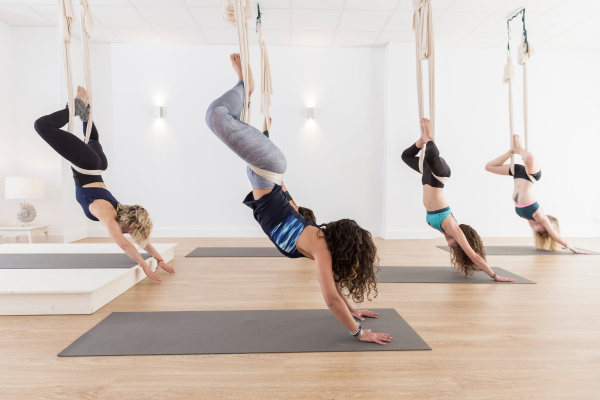
Even gentle aerial yoga carries fall risk. Students invert, drop, and hold poses in a hammock, and a single slip can cause a concussion, sprain, or worse. When a claim arises, medical expenses add up fast, and a studio without proper liability coverage absorbs those costs directly. This is why teaching aerial demands a policy built around these exposures rather than a generic template.
How the Right Insurance Coverage Protects Your Studio
The right insurance solutions turn a frightening incident into a manageable one. General liability and professional liability form the foundation, covering third-party bodily injury, property damage, and claims tied to your instruction. Reviewing your full dance studio insurance options helps you match coverage to the way your studio actually operates.
Why Standard Dance Studio Insurance Often Falls Short
Many business owners assume a basic policy covers everything, then discover an exclusion for aerial activities buried in the fine print. Some insurance companies simply will not insure aerial work, and others quietly leave a studio nonrenewed after a claim. Aerial arts insurance is a specialized product, and a generic dance insurance policy often falls short precisely where you need it most.
The Coverage That Gives Studio Owners Real Peace of Mind
Comprehensive coverage gives studio owners genuine peace of mind. Alongside general liability insurance, consider sexual abuse and molestation coverage, personal liability protection, property insurance for your studio equipment, and business interruption coverage that keeps income flowing if you must close after an accident. Together, these coverage options defend you against both legitimate claims and frivolous lawsuits.
Matching Your Insurance Needs to How You Teach
No two aerial studios share identical insurance needs. A pole industry studio, an aerial yoga studio, and a full aerial acrobatics program each carry different exposures, so your coverage should reflect how you teach.
What Aerial Yoga Insurance Should Actually Include
Solid aerial yoga insurance combines general and professional liability with instructor insurance for every teacher on your schedule. It should account for your specialized equipment, your class sizes, and any events you host. Strong instructor and liability coverage protects each fitness instructor personally, so a claim against one teacher does not threaten the whole studio. Pairing that with signed waivers and consent forms strengthens your position when an incident occurs.
What to Look for in Insurance Providers Who Understand Aerial Arts
Not every broker understands the aerial world. Look for insurance providers who already work with aerial and pole studios and offer tailored insurance solutions rather than a one-size-fits-all quote. A knowledgeable insurance partner asks about your rigging, your safety protocols, and your class structure before recommending a plan. Compare specialty insurance options carefully, and choose the insured relationship that fits your studio, not just the cheapest premium.
Smart Risk Management Beyond Your Dance Insurance Policy
The best insurance works alongside strong day-to-day habits. Document your equipment inspections, enforce safety measures, train instructors thoroughly, and collect signed waivers from every student. This kind of risk management lowers the odds of a claim and shows underwriters you take safety seriously.