
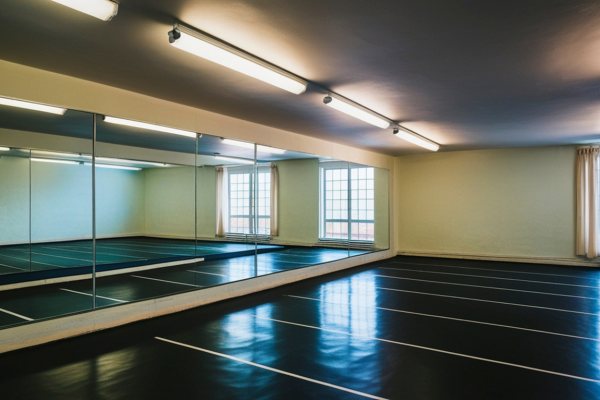
How to Prepare for an Unexpected Inspection or Safety Audit at Your Dance Studio
Unexpected inspections and safety audits can happen at any time. Whether initiated by local authorities, property owners, fire departments, or insurance carriers, these evaluations assess how well your dance studio maintains safety standards and regulatory compliance.
For studio owners, preparation is critical. A surprise inspection that reveals violations or safety concerns can result in fines, operational shutdowns, or increased insurance premiums. Worse, unresolved hazards could lead to injury claims, putting your business at serious risk.
Having strong dance studio insurance coverage is essential, but so is maintaining a studio environment that meets safety expectations at all times.
Why Dance Studio Inspections Happen
Inspections and safety audits do not occur randomly; they are typically triggered by regulatory requirements, lease agreements, complaints, or routine compliance reviews.
Municipal and Fire Code Inspections
Local governments and fire departments may inspect commercial spaces to ensure compliance with occupancy limits, emergency exit access, fire suppression systems, and electrical safety standards.
Dance studios often include:
- Large open rehearsal spaces
- Mirrors mounted to walls
- Sound and lighting equipment
- Portable props and staging materials
All of these elements must meet safety regulations to pass inspection.
Insurance Carrier Risk Assessments
Some insurance providers conduct risk assessments to evaluate safety conditions and determine policy pricing or renewal eligibility.
If hazards are identified, such as unsafe equipment storage, damaged flooring, or inadequate supervision policies, insurers may adjust coverage terms or increase premiums.
Maintaining strong safety standards protects both your students and your insurance relationship.
Common Areas Inspectors Focus On
Knowing what inspectors typically examine allows you to prepare proactively.
Emergency Exits and Accessibility
Inspectors verify that emergency exits:
- Are clearly marked
- Remain unobstructed
- Open properly
- Lead safely outside the building
If mirrors, storage racks, or equipment block exits, violations may be issued immediately.
Accessibility compliance under disability regulations may also be evaluated depending on your location and facility structure.
Fire Safety Compliance
Fire safety is a major inspection focus. Authorities may review:
- Fire extinguishers and expiration dates
- Sprinkler systems
- Smoke detectors
- Electrical wiring near equipment
- Flammable material storage
Dance studios often store costumes, fabrics, and props, which require proper storage away from ignition sources.
Failure to meet fire safety requirements can lead to fines or temporary closure.
Flooring and Equipment Safety
Dance studio flooring must support safe movement. Inspectors or insurance auditors may evaluate:
- Surface condition (cracks, loose seams, uneven areas)
- Proper installation of sprung floors
- Secure mounting of mirrors and barres
- Stability of portable equipment
Damaged flooring increases slip-and-fall risk, which directly impacts liability exposure covered under your dance studio liability insurance policy.
Electrical and Lighting Systems
Lighting rigs, sound systems, and charging equipment introduce electrical risk.
Inspectors may check:
- Safe cable management
- Overloaded outlets
- Exposed wiring
- Proper grounding of equipment
Electrical hazards are common in performance environments, making compliance critical for both safety and insurance purposes.
How to Prepare Your Studio Before an Inspection
Preparation reduces stress and improves your chances of passing inspection on the first review.
Conduct Your Own Internal Safety Audit
Before an official inspector arrives, perform a self-assessment. Walk through your studio and evaluate:
- Exit visibility and accessibility
- Fire extinguisher placement
- Equipment stability
- Floor conditions
- Storage organization
Document any issues and address them immediately. Proactive correction demonstrates responsibility and operational professionalism.
Maintain Updated Safety Documentation
Keep organized records of:
- Equipment maintenance logs
- Fire extinguisher inspections
- Staff safety training
- Emergency procedures
- Incident reports
Documentation shows inspectors and insurers that your studio actively manages risk rather than reacting to problems after they occur.
Strong recordkeeping also strengthens your position if liability claims arise.
Ensure Proper Insurance Coverage Is Active and Updated
An inspection may reveal compliance issues that impact your insurance policy. It is essential to confirm:
- Your coverage limits are adequate
- Your policy reflects your current studio size and programs
- You carry necessary protections such as general liability, professional liability, and property coverage
Working with a provider specializing in dance studio insurance services ensures your policy aligns with operational realities and regulatory expectations.
What Happens If an Inspection Reveals Violations?
If violations are identified, you typically receive a correction notice with a deadline to address the issues.
Correct Issues Promptly
Take immediate action to fix identified hazards. Delay can lead to fines, business interruption, or follow-up enforcement inspections.
Communicate With Authorities and Your Insurer
If violations relate to safety concerns or liability risks, inform your insurance provider. Transparency ensures your coverage remains accurate and responsive to changes in risk exposure.
The Connection Between Inspections and Insurance Claims
Inspections and insurance protection are closely linked.
If an accident occurs and investigators determine your studio failed to meet safety standards, liability claims may increase in complexity. Insurance carriers may also review inspection findings when evaluating coverage renewals.
By staying inspection-ready, you reduce both operational risk and insurance complications.
Comprehensive dance studio insurance coverage protects your financial stability, but compliance protects your ability to operate.