
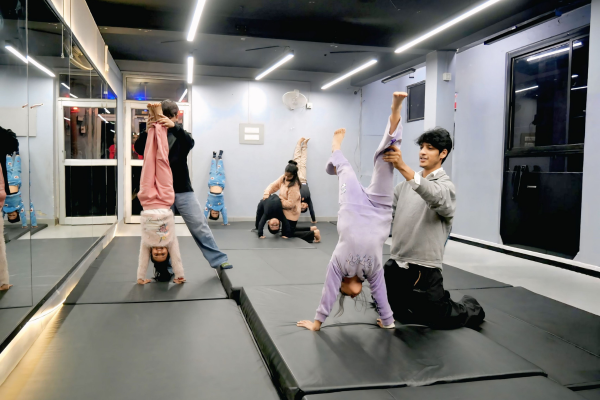
Gymnastics Facility Insurance Costs and Coverage Explained for Every Gym Owner
Gymnastics ranks among the highest-risk activities in the entire fitness and recreation industry. Flips, vaults, bar routines, and trampoline work create injury exposure that far exceeds typical studio environments. That elevated risk demands specialized insurance coverage designed specifically for gymnastics facilities. This guide breaks down every coverage type, reveals actual pricing, and shows you exactly how to protect your gym, your coaches, your students, and your investment.
Why Gymnastics Insurance Costs More Than Standard Studio Coverage
Insurance carriers calculate premiums based on the frequency and severity of potential claims. Gymnastics facilities produce more frequent injury claims and more severe injury outcomes than dance studios, yoga studios, or Pilates facilities. This reality drives higher premiums, but also makes coverage essential for survival.
The Injury Profile That Shapes Your Gymnastics Premium
Wrist fractures from vault landings, ankle sprains from floor routines, ACL tears from tumbling passes, and spinal injuries from bar dismounts represent the types of claims gymnastics insurers prepare for. Catastrophic injuries, though rare, carry potential settlements in the hundreds of thousands. Your premium reflects this exposure.
Activities Beyond Basic Gymnastics That Your Policy Must Address
Most gymnastics facilities also offer tumbling, cheerleading, dance, rhythmic gymnastics, preschool gymnastics, birthday parties, day camps, day competitions, mommy and me classes, trampoline use, and inflatable equipment like tumble tracks. Each additional activity adds risk and influences your premium. Ensuring your policy covers every activity you offer prevents devastating coverage gaps.
What Gymnastics Facility Insurance Covers and Why Each Layer Matters
A complete gymnastics insurance program combines multiple coverage layers that protect your facility from every direction.
General Liability for Your Gymnastics Gym
General liability covers claims of bodily injury and property damage from students, spectators, parents, and visitors. When a parent alleges your facility caused their child’s injury through negligent supervision or unsafe equipment, this coverage funds your legal defense and pays qualifying settlements. It also covers your W2 employees and volunteer coaches.
Accident Medical Coverage for Student Injuries
Accident medical coverage pays the medical bills that remain after an injured student’s health insurance processes the claim. Gymnastics injuries frequently involve emergency room visits, imaging, and even surgery. When your facility covers those remaining balances through accident medical insurance, injured families rarely escalate to litigation.
Equipment and Property Coverage for Your Gymnastics Investment
Competition-grade gymnastics equipment costs tens of thousands of dollars. Balance beams, uneven bars, vaulting tables, spring floors, foam pits, trampolines, and tumble tracks represent a massive capital investment. Adding property coverage (inland marine) protects these assets against fire, theft, vandalism, and weather damage that would otherwise force you to replace everything out of pocket.
How Much Gymnastics Insurance Costs in 2026
Premiums for gymnastics facility insurance start at $775 per year. Your actual cost varies based on enrollment size, facility square footage, activities offered, coverage limits, and your claims history.
Payment Options That Make Coverage Accessible
You can pay your full annual premium upfront or put 25 percent down and complete payment in three equal installments. This financing option makes comprehensive gymnastics insurance accessible even for newer facilities operating on tight startup budgets.
What Pushes Gymnastics Premiums Beyond the Base Rate
Facilities with competitive cheer programs, large trampoline parks, high enrollment numbers, and prior claims on their record pay more than facilities offering recreational gymnastics only. Adding coverage for off-site competitions and overnight camps also increases your total annual cost.
Critical Coverage Gaps Every Gymnastics Facility Owner Must Close
Understanding what your policy does not automatically cover protects you from assumptions that could prove financially devastating.
Independent Contractor Coaches and the Coverage Gap
Many gymnastics facilities hire coaches as independent contractors. Your base policy covers W2 employees and volunteers only. Failing to add contractor coverage leaves your facility exposed during any class, camp, or competition led by a 1099 coach. Contact your insurance provider to add contractor coverage before your next session.
Parkour and Free Running Exclusions
Some gymnastics facilities offer parkour or free running programs. Most gymnastics insurance policies specifically exclude these activities from coverage. If your facility conducts parkour classes, verify your policy language and understand that injuries during those sessions may generate claims your insurer will deny.