
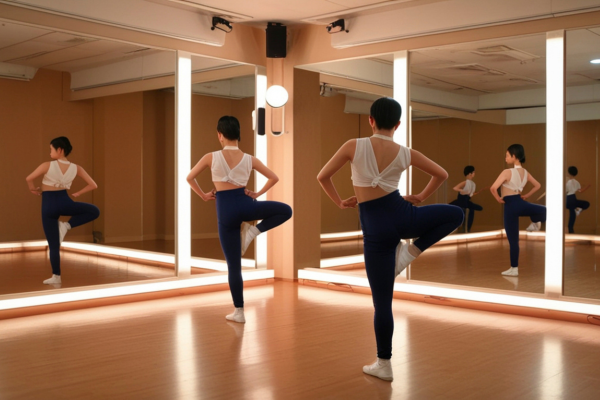
The Dance Studio Mirror Myth and Why They Cause More Claims Than Any Other Equipment
Mirrors are considered essential in every dance studio. They help dancers refine technique, improve alignment, and build confidence through visual feedback. For many studio owners, wall-to-wall mirrors are simply part of the standard setup.
But here’s the uncomfortable truth: dance studio mirrors are one of the most common sources of insurance claims.
From shattered glass injuries to impact-related accidents and installation failures, mirrors create a level of liability exposure that many studio owners underestimate. Without proper dance studio insurance coverage, a single mirror-related incident can result in expensive medical claims, legal defense costs, and property damage expenses.
Understanding the risks behind the “mirror myth” is essential for protecting your business.
Why Mirrors Pose a Higher Risk Than Most Studio Equipment
At first glance, mirrors appear passive. Unlike props or portable equipment, they don’t move. They don’t seem inherently dangerous. However, their size, placement, and fragility make them one of the most significant hazards inside a dance environment.
Dance classes involve:
- High-energy choreography
- Traveling combinations across the floor
- Leaps, turns, and acrobatics
- Young children with limited spatial awareness
- Crowded recital rehearsals
When speed and momentum meet glass, accidents happen quickly, and the injuries can be serious.
The Most Common Mirror-Related Insurance Claims
Impact Injuries During Class
Dancers frequently move backward while watching their reflection. In crowded classes, it only takes one misstep for a student to collide with the mirror. Even when mirrors are secured, direct impact can cause:
- Cuts and lacerations
- Concussions
- Broken bones
- Facial injuries
When a parent sees their child injured by glass, claims often follow. Dance studio liability insurance becomes critical in covering medical expenses and legal defense.
Shattered or Cracked Mirror Incidents
Improper installation or aging adhesive can cause mirrors to detach from walls. Temperature fluctuations, especially in studios with inconsistent climate control, can weaken mounting systems over time.
If a mirror falls or cracks during class, the resulting injuries can be severe. Glass-related claims often involve higher medical costs due to stitches, scarring, or reconstructive procedures.
Without adequate general liability and commercial property insurance, the financial burden can escalate quickly.
Slip-and-Fall Claims Related to Mirror Placement
Mirrors increase the likelihood of dancers focusing on reflection instead of floor hazards. When attention shifts upward, awareness of obstacles decreases.
Studios sometimes place portable barres or equipment near mirrored walls. If a dancer trips while practicing in front of the mirror, a premises liability claim may argue that the layout design contributed to the injury.
The Financial Impact of Mirror-Related Claims
Many studio owners assume minor injuries are inexpensive to resolve. However, mirror-related claims often involve:
- Emergency room visits
- Surgical treatment for deep cuts
- Physical therapy
- Cosmetic procedures for facial scarring
- Legal fees and settlements
Even if your studio ultimately prevails in court, legal defense costs alone can reach tens of thousands of dollars. For small and mid-sized studios, that type of expense can significantly impact operations.
Comprehensive dance studio insurance ensures these unexpected costs do not threaten your financial stability.
Why Standard Insurance May Not Be Enough
Not all policies are designed specifically for dance studios. Some general business insurance plans fail to address the unique risks associated with mirrored rehearsal spaces.
Inadequate General Liability Limits
If your policy limits are too low, a serious glass-related injury could exceed your coverage. Medical costs and legal settlements can quickly surpass minimum limits.
Missing Commercial Property Coverage
If mirrors are damaged due to accidental impact, vandalism, or natural events, commercial property insurance helps cover repair and replacement costs. Without it, replacing custom wall-to-wall mirrors can be expensive.
Lack of Umbrella Coverage
An umbrella insurance policy provides additional liability limits above your primary policy. In high-severity injury cases, umbrella coverage can be the difference between financial protection and out-of-pocket exposure.
Working with a dance studio insurance specialist ensures your coverage aligns with the realities of your physical space.
Risk Management Strategies to Reduce Mirror Claims
Insurance protects your studio financially, but proactive safety measures reduce claim frequency and strengthen your defense if a lawsuit arises.
Use Safety-Backed or Tempered Glass
Mirrors specifically designed for commercial use often include safety backing or are made from tempered glass that reduces shattering risk. Investing in safer materials significantly lowers injury severity.
Professional Installation and Regular Inspections
Improper installation is a leading cause of mirror failures. Mirrors should be mounted by professionals experienced in commercial applications.
Schedule periodic inspections to ensure mounting systems remain secure and adhesives have not deteriorated.
Maintain Adequate Spacing
Overcrowded classes increase the likelihood of collisions. Ensuring proper student-to-space ratios and keeping equipment away from mirrored walls can reduce impact risk.
Clear Studio Policies for High-Energy Classes
Acro, hip-hop, and competitive team rehearsals involve faster movement and higher intensity. Consider designated practice zones or increased instructor supervision during advanced choreography sessions.
Documentation of safety policies can support your defense if a claim arises.