
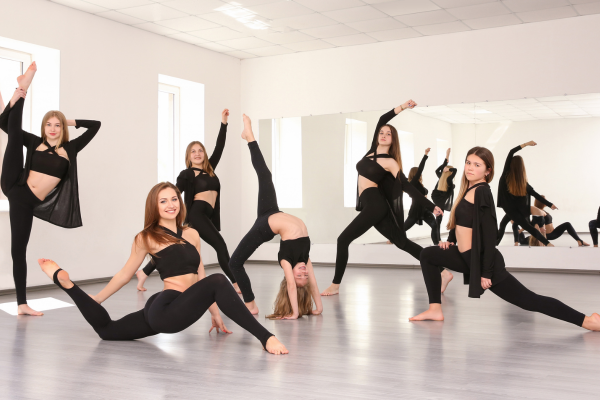
Why Choreography Creates Liability That Dance Instructors and Studios Constantly Underestimate
Dance instructors and choreographers create original choreography as the foundation of their artistic practice and professional identity. Yet few give adequate attention to the liability exposure that choreography creates. Advanced combinations that exceed the student’s technical level. Choreography that overstrains particular joints or muscle groups. Borrowed or modified choreography that infringes copyrights. Stunts or lifts that create serious injury potential.
When injuries occur during the performance of choreography that was too advanced or improperly designed, studios and choreographers face lawsuits alleging negligent choreography design. When injury results in permanent damage, settlements reach six figures or higher. Studios and independent choreographers who operate without comprehensive professional liability coverage face catastrophic financial consequences.
How Choreography Decisions Create Liability
Every choreography decision carries legal responsibility.
Advanced Choreography Exceeding Student Capability Creates Negligence Claims
When choreography requires technical skills beyond what students have developed, injuries result from inappropriate progression. Parents sue, claiming the choreography was negligently designed without regard to student capability. Studios are liable for injuries resulting from choreography that exceeded the student’s preparation level.
Overuse Injury From Inappropriate Movement Repetition
Choreography that requires excessive repetition of particular movements creates overuse injury risk. Stress fractures, tendonitis, and joint injuries result from movement patterns that demand too much from specific anatomical areas. When overuse injuries occur, studios are held liable for negligent choreography design that failed to balance stress across muscle groups and joints.
Stunts and Lifts Create Catastrophic Injury Potential
Choreography incorporating lifts, inversions, or partner-supported movements creates serious injury potential. A spotter fails to catch a falling dancer. A partner’s grip fails during a lift. A dancer loses balance during an inversion. These incidents create injuries ranging from serious to permanently disabling. Liability exposure is substantial.
Copyright Infringement From Borrowed Choreography
Choreographers frequently borrow steps, combinations, or sequences from other choreographers’ work. When studio performances include choreography that infringes copyrights of established choreographers, studios face copyright infringement claims. Damages can be substantial, and studios often do not carry copyright infringement liability coverage.
Inappropriate Choreography Creates Reputational Damage
Choreography that is sexually suggestive, culturally insensitive, or otherwise inappropriate creates reputational damage and community backlash. Studios and choreographers face criticism, loss of student enrollment, and potential legal claims from offended community members.
Coverage Gaps in Standard Insurance for Choreography Liability
Many choreographers and studios assume their standard liability coverage addresses choreography-related claims. Critical gaps often remain.
Negligent Choreography Claims Receive Limited or No Coverage
Some dance insurance policies do not explicitly cover claims alleging that choreography was negligently designed. Injuries resulting from choreography that exceeded student capability may fall outside coverage.
Copyright Infringement Is Not Covered
Standard liability policies do not cover copyright infringement claims. Studios that incorporate borrowed or modified choreography face uninsured intellectual property liability.
Professional Liability Coverage for Choreography Services Is Absent
Independent choreographers hired to create original choreography for outside studios face professional liability exposure that standard dance insurance does not address.
Inadequate Coverage for Stunt and Lift-Related Injuries
Injuries from choreography incorporating lifts, inversions, and partner work may receive inadequate coverage because the policy was not designed with these high-risk activities in mind.
Safe Choreography Practices Reduce Both Injuries and Liability
Studios can minimize choreography-related injuries through responsible practices:
Ensuring choreography progression matches student technical development. Building adequate conditioning and strength before introducing advanced movements. Including proper warm-up and cool-down periods. Varying movement patterns to avoid overuse injuries. Using proper spotting and safety protocols for lifts and partner work. Respecting intellectual property by licensing, crediting, or creating original choreography. Seeking permission before adapting others’ choreography.