
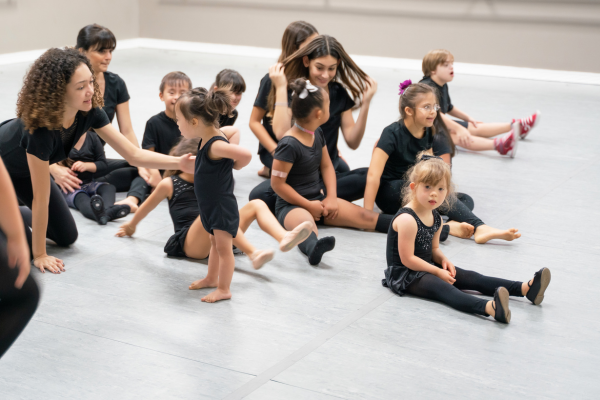
The Legal Risk of Allowing Volunteer Parents to Assist in Dance Classes
Dance studios thrive on community. Parents help with costumes, manage backstage chaos at recitals, and sometimes step in to assist during class. On the surface, allowing volunteer parents to help seems harmless, even helpful.
But from a legal and insurance perspective, volunteer involvement inside dance classes can create serious liability exposure. Without the right dance studio insurance coverage in place, a well-intentioned favor can quickly turn into a costly legal claim.
If you own or operate a dance studio, understanding the legal risks of volunteer parents is essential to protecting your business, your instructors, and your students.
Why Volunteer Parents Create Hidden Liability Exposure
At first glance, a volunteer parent tying ballet shoes or helping line up young dancers doesn’t appear risky. However, the legal system often views volunteers differently than studio owners expect.
When a parent assists inside the classroom, they may unintentionally:
- Provide physical corrections to students
- Supervise children without formal training
- Handle equipment or props
- Give instructions beyond their role
- Create unsafe conditions due to a lack of experience
From an insurance standpoint, this changes your liability profile.
If that volunteer causes an injury, even accidentally, your dance studio may be held responsible.
The Legal Status of Volunteer Parents
Are Volunteers Covered Under Your Insurance Policy?
Many dance studio owners assume that their general liability insurance automatically covers volunteers. That is not always the case.
Some insurance policies only cover employees or specifically listed instructors. If a volunteer parent is not considered an insured party under your policy, you may face a coverage gap if a claim arises from their actions.
Without proper dance studio liability insurance that addresses volunteer exposure, you could be personally responsible for defense costs, settlements, or judgments.
Vicarious Liability and Studio Responsibility
In many cases, businesses are legally responsible for the actions of individuals acting on their behalf, even if those individuals are unpaid volunteers.
This concept, known as vicarious liability, means that if a volunteer parent accidentally injures a child while assisting in class, the studio can be named in the lawsuit. The argument is simple: the studio allowed the volunteer to participate and supervise students.
Once your studio is named in a claim, legal defense begins immediately.
Common Scenarios That Lead to Insurance Claims
Understanding real-world risk scenarios helps highlight why proper dance studio insurance coverage is critical.
Physical Assistance Gone Wrong
A volunteer parent may attempt to help a child stretch, adjust posture, or lift a younger dancer during rehearsal. If that assistance results in a muscle strain, fall, or more serious injury, the parent’s involvement becomes central to the claim.
Even if the injury was unintentional, allegations of improper supervision or negligent instruction can follow.
Slip-and-Fall Incidents During Class
If a volunteer moves props, spills water, or leaves equipment in an unsafe area, and a dancer is injured as a result, the studio may face premises liability claims.
Dance studios already carry elevated slip-and-fall exposure due to smooth flooring. Adding untrained helpers increases the risk.
Allegations of Inappropriate Conduct
Dance studios must also consider abuse and molestation liability exposure. While rare, allegations involving volunteers can be devastating.
If a parent is assisting in class and an accusation arises, even if unsubstantiated, the legal and reputational consequences can be severe. Without specialized abuse and molestation coverage within your dance studio insurance policy, the financial fallout can be overwhelming.
Employment Law and Classification Concerns
Another overlooked risk involves how volunteers are classified.
When a Volunteer Becomes a Worker in the Eyes of the Law
If a volunteer consistently assists in classes, performs structured duties, or receives benefits such as tuition discounts, they may legally resemble an employee.
This can trigger additional exposure, including:
- Workers’ compensation claims
- Wage and hour disputes
- Employment practices liability claims
If a volunteer parent is injured while assisting in class, they may attempt to file a claim arguing they were functioning as staff. Without proper workers’ compensation or employer liability coverage, your studio could face significant financial exposure.
Why Waivers Alone Are Not Enough
Some studio owners believe that having parents sign waivers protects them from volunteer-related liability. While waivers are important risk management tools, they do not eliminate the possibility of lawsuits.
Courts may still examine:
- Whether the volunteer was properly supervised
- Whether the studio exercised reasonable care
- Whether training was provided
- Whether policies were clearly communicated
Waivers support your defense, but your dance studio insurance policy funds it.
Insurance Coverage Every Studio Should Review
To reduce exposure when allowing volunteer parents in classes, your insurance program should include comprehensive protection.
General Liability Insurance
Covers bodily injury and property damage claims arising from studio operations, including incidents involving volunteers if properly structured.
Professional Liability Coverage
Protects against claims related to instruction, supervision, or improper guidance. If a volunteer assists in teaching or supervising students, this coverage becomes especially important.
Workers’ Compensation or Volunteer Accident Coverage
If volunteers are regularly assisting, it’s important to clarify whether your policy addresses injuries they sustain while helping in class.
Working with a dance studio insurance specialist ensures that volunteer exposure is properly evaluated and addressed.
Risk Management Best Practices for Dance Studios
Insurance is essential, but proactive risk management strengthens your protection.
Limit Volunteer Roles Clearly
Define what volunteer parents can and cannot do. Avoid allowing volunteers to provide physical corrections, lead drills, or supervise students independently.
Clear boundaries reduce liability exposure.
Implement Background Checks When Appropriate
If volunteers will regularly interact with students, background screening may be advisable. This demonstrates due diligence and strengthens your defense if allegations arise.
Maintain Written Policies and Documentation
Create written policies outlining volunteer expectations, supervision requirements, and safety protocols. Documentation can be critical if your studio’s decisions are challenged legally.