
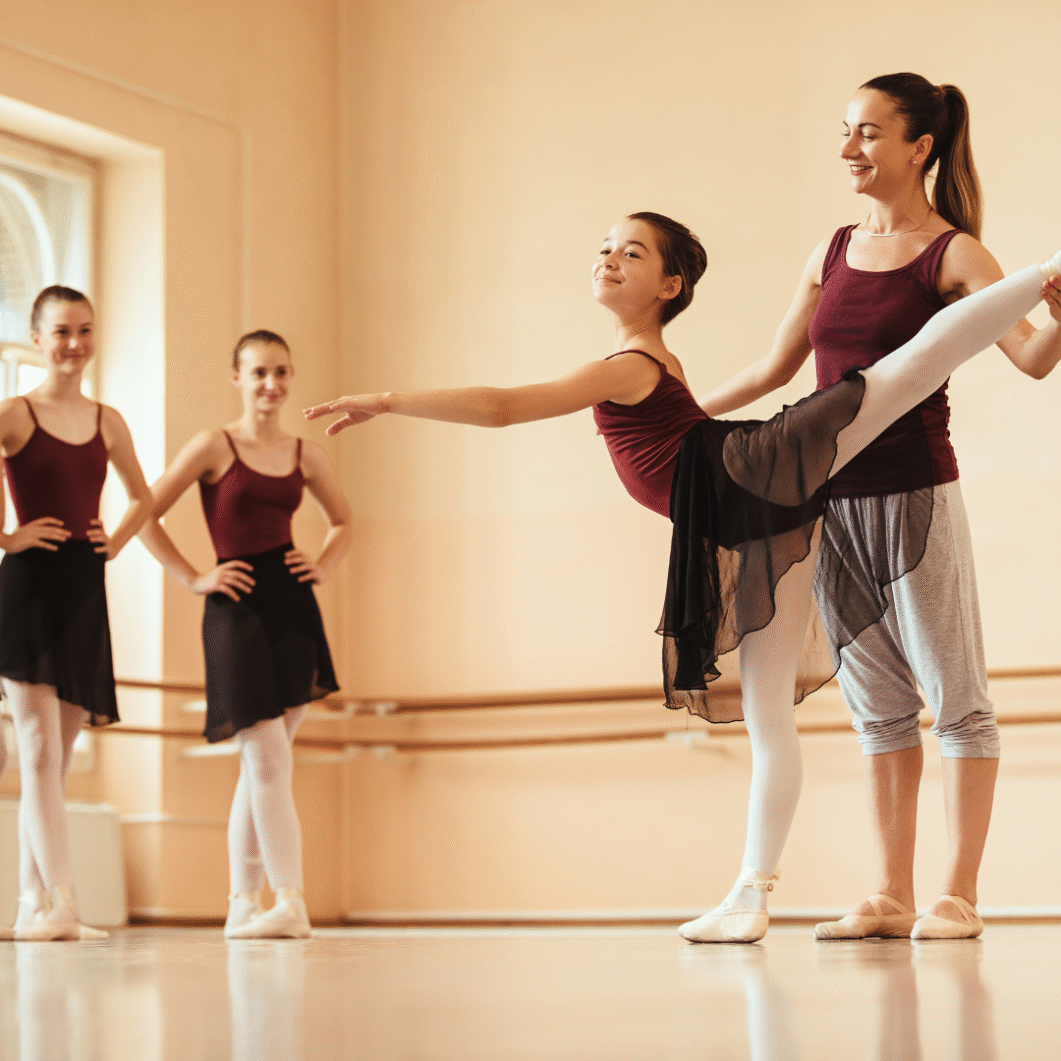
Managing Minors? Practical Liability Steps for Youth Dance Studio Classes
Youth dance classes bring joy, creativity, and physical growth—but they also carry unique liability risks for instructors and dance studio owners. Every slip, trip, or accident can lead to costly lawsuits, property damage claims, or injuries. Managing minors requires more than skillful instruction; it demands a proactive approach to liability, including waivers, insurance, and clear studio policies. Understanding these practical steps protects both your dancers and your business while providing peace of mind for parents and guardians.
Understanding Liability in Youth Dance Studio Classes
Liability in youth dance classes arises from the inherent risks of physical activity and the responsibility studios hold for minors. Instructors and studio owners must be vigilant about safety, supervision, and risk management. Knowing potential liabilities helps you implement preventive measures that safeguard your students and protect your business.
Common Liability Risks in Youth Dance Classes
Accidents happen, even under careful supervision. Common liability risks include slips in locker rooms, falls during routines, collisions with other dancers, or injuries from improper footwear. Dance studio liability extends to property damage, negligence claims, or accidents occurring during special events and performances. Understanding these risks allows instructors and owners to plan, mitigate, and minimize exposure.
How Supervision Impacts Your Studio’s Liability
Active supervision is a cornerstone of liability protection. Instructors who maintain attention on every dancer, enforce proper techniques, and monitor hazardous areas can significantly reduce accidents. Negligence, lack of oversight, or distracted supervision can leave your studio liable for injuries that might otherwise be preventable.
Involving Parents or Guardians to Reduce Risk
Parental involvement goes a long way in managing liability. Consent forms, acknowledgment of risks, and clear communication about studio policies ensure parents understand the potential risks involved in dance classes. Requiring parents or guardians to sign a dance studio waiver adds an extra layer of legal protection, helping to mitigate liability risks.
Implementing Effective Dance Studio Waivers
A dance studio waiver is more than a form; it’s a legal document that protects your business from lawsuits stemming from accidents, injuries, or property damage. Properly structured waivers, combined with clear studio policies, reduce liability and set expectations for students and their families.
Essential Elements of a Youth Dance Studio Waiver
Every enforceable waiver should include acknowledgment of risks, consent for participation, liability release provisions, and a clear outline of studio policies. The waiver must be signed by parents or legal guardians for minors and should be legally binding and compliant with local laws. Incorporating provisions for accidents, COVID-19 precautions, and supervision policies strengthens your protection.
How a Liability Waiver Protects Your Studio
A liability waiver protects your dance studio by outlining the risks involved and clarifying that participants and their guardians understand and accept them. In the event of an injury or accident, a properly executed waiver can prevent costly lawsuits and help insurers determine coverage. This legally binding document is a cornerstone of reducing liability.
Avoiding Common Mistakes With Dance Studio Waivers
Many studios make mistakes that render waivers unenforceable. Common errors include unclear language, missing signatures, failure to update forms regularly, or neglecting to include key provisions like acknowledgment of supervision limits. Consulting a legal professional ensures your waiver is enforceable and tailored to your studio’s needs.
Insurance Coverage to Protect Your Dance Studio
Liability insurance complements waivers by providing financial protection in the event of accidents or injuries. Insurance policies cover medical expenses, legal fees, and property damage, giving instructors and studio owners peace of mind.
Types of Insurance Every Youth Dance Studio Needs
Essential insurance includes general liability coverage, professional liability, accident medical coverage, and property insurance. Depending on your studio’s activities, additional coverage like cyber insurance or liquor liability may be necessary for special events. Selecting the right policy ensures your studio is prepared for any scenario.
Liability Insurance for Dance Classes and Instructors
Liability insurance protects dance instructors individually and collectively with the studio. Coverage helps offset claims from bodily injury, slip-and-fall incidents, or accidental property damage. This layer of protection ensures that instructors can focus on teaching while the studio is safeguarded against financial exposure.
Aligning Insurance With Your Studio’s Risks
Every dance studio has unique risks based on class size, age groups, and physical activities. Aligning your insurance coverage with your specific studio needs ensures optimal protection. Risk assessment and consultation with multiple insurance providers help you select the appropriate policy limits and coverage types.
Combining Waivers, Insurance, and Policies to Reduce Liability
The strongest protection for youth dance studios comes from combining well-crafted waivers, comprehensive insurance, and clear policies. Together, they create a framework that reduces liability, safeguards your business, and enhances trust with parents and students. Regularly updating waivers, reviewing insurance coverage, and enforcing safety protocols ensures your studio is prepared for unforeseen incidents and continues to provide a safe, enjoyable environment for all dancers.